
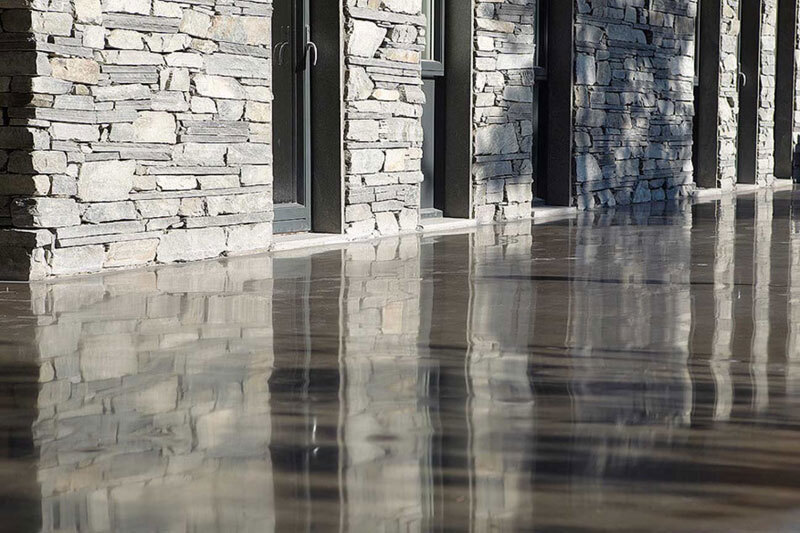
Concrete floors used to be thought of as dull, gray, and purely functional. But thanks to modern polishing techniques, concrete has undergone a transformation. Today, concrete polishing delivers glossy, stylish, and highly durable floors for homes, businesses, and industrial spaces alike. It’s a process that takes ordinary concrete and turns it into a sleek surface that’s easy to maintain, eco-friendly, and built to last.
In this guide, we’ll explore what concrete polishing is, the benefits it offers, where it can be applied, and why it’s quickly becoming one of the most popular flooring solutions.
What Is Concrete Polishing?
Concrete polishing is a multi-step process that mechanically grinds, hones, and polishes concrete using specialized diamond abrasives. During the process, a chemical densifier is applied to harden the surface, followed by progressive grinding with finer grit levels until the desired smoothness and shine are achieved.
Unlike surface coatings such as epoxy or tile overlays, polishing doesn’t cover the concrete—it enhances it. The result is a floor that’s both functional and decorative, with a finish that can range from a subtle matte to a high-gloss, mirror-like shine.
Modern concrete polishing uses industrial equipment and can be customized with dyes, stains, and decorative scoring to match the aesthetic of any space.
Benefits of Concrete Polishing
Durability for High-Traffic Areas
Polished concrete floors are incredibly strong, capable of withstanding heavy foot traffic, rolling loads, and even machinery. In fact, many polished floors last 15–20 years or more with minimal upkeep, making them ideal for warehouses, retail spaces, and busy households.
Low Maintenance
Unlike carpet that requires constant vacuuming or tile that demands grout cleaning, polished concrete is simple to maintain. A daily dust mop and occasional damp mop with a neutral cleaner are usually all it takes. Because the surface is dense and sealed, it resists stains and moisture penetration.
Cost-Effectiveness
While the upfront cost varies, polished concrete is one of the most cost-efficient flooring options over its lifespan. You won’t need to worry about replacing worn-out carpet, refinishing hardwood, or regrouting tile.
Aesthetic Appeal
Polishing enhances the natural beauty of concrete, revealing a sleek, contemporary look. Gloss levels can be customized—matte for modern minimalism, satin for balanced shine, or high-gloss for showrooms. Decorative dyes and patterns can add vibrant colors or mimic the look of stone.
Eco-Friendly and Sustainable
Because polishing works with existing concrete, it eliminates the need for additional flooring materials. This reduces waste and makes it an environmentally friendly option. The reflective surface also boosts natural lighting, lowering energy consumption.
Applications of Polished Concrete
Concrete polishing is one of the most versatile flooring systems, used in residential, commercial, and industrial spaces.
Residential Applications
- Garages: Tough enough for vehicle traffic and resistant to oil stains.
- Basements: Moisture-resistant and ideal for humid spaces.
- Kitchens & Living Rooms: Modern look with easy maintenance.
Commercial Applications
- Retail Stores & Malls: Stylish finish that impresses customers.
- Restaurants & Cafés: Seamless, hygienic, and resistant to spills.
- Hotels & Lobbies: Adds elegance with high-gloss finishes.
Industrial Applications
- Warehouses: Withstands forklifts and pallet jacks.
- Factories: Durable surface resistant to abrasions and chemicals.
- Distribution Centers: Long-lasting floors that reduce maintenance downtime.
Institutional Applications
- Schools & Universities: Clean and low-maintenance floors for classrooms and hallways.
- Hospitals & Clinics: Seamless finish that improves hygiene.
- Government Buildings: Professional, cost-effective flooring.
Types of Concrete Polishing Finishes
Polished concrete isn’t one-size-fits-all. The finish can be tailored to match the space’s aesthetic and performance needs.
- Matte Finish: Soft, subtle look with minimal reflection. Ideal for modern residential spaces.
- Satin Finish: Balanced sheen with durability. Perfect for commercial environments.
- High-Gloss Finish: Reflective, decorative finish for showrooms and offices.
- Dyed/Colored Polishing: Adds pigments for custom colors or decorative effects.
Cost of Concrete Polishing
Concrete polishing typically costs $3–$12 per square foot, depending on several factors:
- Floor Size: Larger spaces often reduce the per-square-foot cost.
- Condition of the Concrete: Cracked, uneven, or stained surfaces require more prep work.
- Desired Gloss Level: Higher gloss requires more grinding steps, which adds labor.
- Decorative Options: Dyes, patterns, or stenciling increase overall cost.
- Commercial vs. Residential: Industrial-grade finishes cost more due to extra durability.
While the upfront investment may be higher than simple sealers or coatings, the low maintenance and long lifespan make polished concrete cost-effective over time.
The Concrete Polishing Process
Professional concrete polishing involves several precise steps:
Step 1: Surface Preparation
The concrete is cleaned, cracks are repaired, and imperfections are removed.
Step 2: Grinding
Coarse diamond grinding opens the surface and removes old coatings, stains, or unevenness.
Step 3: Honing and Densifier Application
The floor is honed with progressively finer grits. A densifier is applied to harden the concrete, making it stronger and more resistant to wear.
Step 4: Polishing
The floor is polished using multiple passes with fine abrasives until the desired sheen is achieved—matte, satin, or high-gloss.
Step 5: Sealing and Protection
An optional sealer or guard is applied to add extra stain resistance and extend the lifespan of the finish.
Concrete Polishing vs. Other Flooring Options
When compared to alternatives, polished concrete stands out:
- Epoxy Coatings: Epoxy offers durability and design flexibility but may require reapplication over time.
- Tile/Stone Flooring: Attractive but prone to grout issues and cracking.
- Vinyl/Carpet: Lower initial cost, but significantly shorter lifespan and higher maintenance.
- Polished Concrete: Offers the best balance of durability, low maintenance, cost, and style.
Maintenance and Longevity
Polished concrete can last 15–20 years or more with proper care.
Maintenance Tips:
- Dust mop daily to remove dirt and debris.
- Damp mop weekly with a pH-neutral cleaner.
- Avoid harsh chemicals that can damage the finish.
- Re-polish every few years in high-traffic areas to restore shine.
Because it doesn’t require waxing or frequent refinishing, polished concrete offers one of the lowest lifecycle costs of any flooring option.
Why Hire Professionals for Concrete Polishing
While DIY kits exist, professional polishing ensures long-term success:
- Expertise and Equipment: Contractors use industrial-grade grinders and densifiers not available to homeowners.
- Custom Finishes: Pros can deliver consistent gloss levels, dyes, and patterns.
- Durability: Professional work maximizes the floor’s lifespan.
- Warranty Protection: Many contractors guarantee their work, providing peace of mind.
Concrete polishing isn’t just about making floors look good—it’s about creating surfaces that last. From homes and retail stores to warehouses and hospitals, polished concrete delivers the trifecta of durability, style, and low maintenance.
With costs that compete with other flooring systems and a lifespan that outperforms them, polished concrete is an investment that pays off for decades.
Ready to transform your floors? Contact a professional concrete polishing contractor today and discover how this versatile flooring solution can bring new life to your space.